
When choosing wood furniture for your home, one of the most common questions is whether to opt for reclaimed wood or new solid wood. Both materials offer durability, natural beauty, and timeless appeal, but they differ in character, sustainability, and overall feel.
If you’re deciding between the two, it’s not simply a matter of which is “better”, but which is better suited to your lifestyle, interior style, and long-term expectations.
In this guide, we compare reclaimed wood and solid wood furniture across key factors such as durability, appearance, sustainability, and cost, helping you make a confident and informed decision.
1. What is Reclaimed Wood Furniture?
Reclaimed wood furniture is crafted from timber that has been salvaged from old structures such as barns, warehouses, factories, and even ships. The wood is carefully restored and repurposed into new furniture pieces.
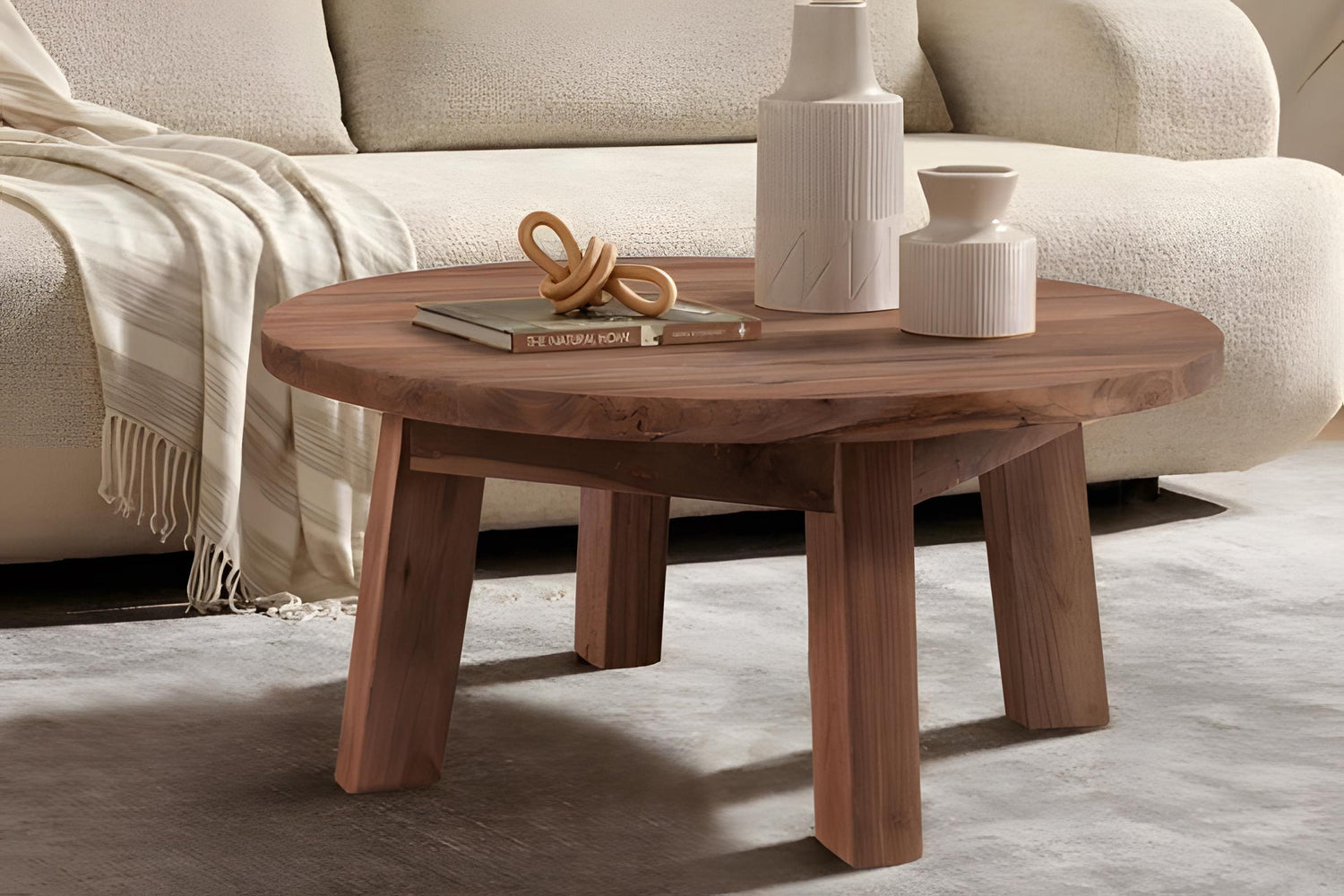
Because reclaimed wood often comes from old-growth trees, it tends to be denser, more stable, and rich in natural character. Each piece carries unique markings such as knots, grain variations, and a natural patina developed over time.
2. What is Solid Wood Furniture?
Solid wood furniture refers to pieces made from newly harvested timber rather than engineered wood or veneer. Common types include oak, teak, ash, and beech.
Compared to reclaimed wood, solid wood furniture usually has a more uniform appearance and can be finished in a wider range of colours. It offers flexibility in design and works well in both traditional and contemporary interiors.

3. Key Differences Between Reclaimed and Solid Wood
| Feature | Reclaimed Wood | Solid Wood |
|---|---|---|
| Source | Reused timber from old structures | Newly harvested timber |
| Appearance | Aged, textured, unique | Clean, consistent, refined |
| Durability | Highly durable (old-growth wood) | Durable (varies by species) |
| Sustainability | Highly eco-friendly | Depends on sourcing |
| Cost | Mid to premium | Wide price range |
Reclaimed wood stands out for its character and environmental benefits, while solid wood offers consistency and flexibility in design.
4. Appearance and Aesthetic Appeal
One of the most noticeable differences between reclaimed and solid wood furniture is their visual character.
Reclaimed Wood
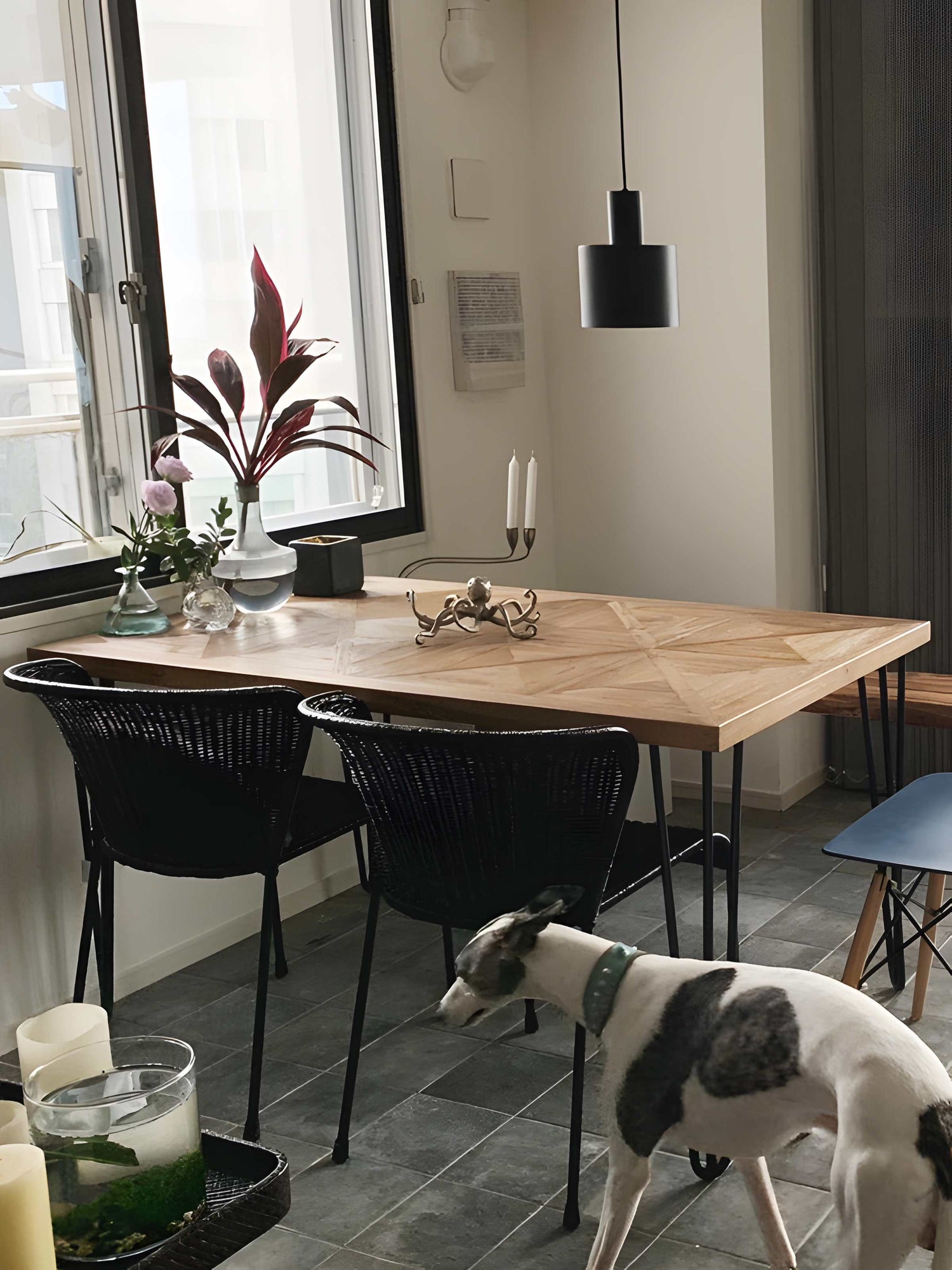
Reclaimed wood is valued for its natural imperfections and lived-in appearance. Marks such as knots, grain variation, and subtle weathering add depth and individuality. It suits interiors that favour warmth and texture, including rustic, industrial, and modern organic spaces.

Discover the natural texture and character of reclaimed wood in our Segovia Reclaimed Teak Dining Table
Solid Wood
Solid wood furniture offers a cleaner and more uniform look. Its consistent grain and smooth finish make it a natural fit for minimalist, Scandinavian, and contemporary interiors. It is also easier to match across multiple pieces.

Explore the clean lines and smooth finish of our solid wood dining chairs
5. Durability and Longevity
Both reclaimed and solid wood are durable, but they perform slightly differently over time.
Reclaimed Wood
Reclaimed wood has already been exposed to years of environmental change, which means it has stabilised. This makes it less likely to warp or shift, even in changing indoor conditions.
Solid Wood
Solid wood furniture is also strong, particularly when made from hardwoods such as oak or teak. However, newer wood may still respond to humidity and temperature changes as it settles into its environment.
In practical terms, both materials can last for many years, but reclaimed wood often has an edge in long-term stability.
6. Sustainability and Environmental Impact
Sustainability is often a key factor when choosing wood furniture.
Reclaimed Wood
Reclaimed wood is one of the most environmentally responsible choices available. By reusing existing timber, it reduces the demand for new logging and helps minimise waste. It also gives new life to materials that would otherwise be discarded.
Solid Wood
Solid wood can also be a responsible choice when sourced carefully. Many consumers are familiar with FSC certification, which is widely used in Europe. However, for Indonesian furniture, another important standard is SVLK certification (Sistem Verifikasi Legalitas Kayu).

SVLK is Indonesia’s official timber legality assurance system. It ensures that the wood is sourced legally, responsibly, and in compliance with sustainable forestry practices. For imported Indonesian furniture, this certification plays a similar role in promoting transparency and environmental responsibility.
In general, reclaimed wood remains the most sustainable option, but responsibly sourced solid wood can also be a considered choice.
7. Cost and Value Comparison
One of the most common questions is whether reclaimed wood furniture is more expensive than solid wood.
Reclaimed wood furniture is typically positioned in the mid to premium range. This reflects the work involved in sourcing, restoring, and crafting the material.
Solid wood furniture, on the other hand, is available across a wider price range, from more accessible options to high-end pieces.
While reclaimed wood may require a higher initial investment, many homeowners value its longevity and unique character. Over time, it can offer strong value, particularly for statement pieces such as dining tables.
8. Which is Better for Modern Interiors?
Both reclaimed and solid wood can work beautifully in modern homes. The choice depends on the atmosphere you want to create.
Reclaimed wood brings warmth and texture, helping to soften contemporary spaces. It works especially well in modern organic, Japandi, or relaxed minimalist interiors.
Solid wood offers a more refined and consistent look. It suits spaces that favour clean lines and a more structured aesthetic.
In many homes, a combination of both materials creates the most balanced and interesting result.

9. Pros and Cons Summary
Reclaimed Wood Furniture
Pros:
- Distinctive character and natural variation
- Highly durable and stable
- Environmentally friendly
Cons:
- Higher upfront cost
- Less uniform appearance
- Limited availability
Solid Wood Furniture
Pros:
- Consistent and versatile appearance
- Wide range of styles and finishes
- More flexible pricing
Cons:
- Less character compared to reclaimed wood
- Sustainability depends on sourcing
- May adjust slightly over time
10. Conclusion: Which Should You Choose?
Choosing between reclaimed wood and solid wood furniture ultimately comes down to your personal style, priorities, and how you use your space.
Reclaimed wood is ideal if you’re drawn to natural character, sustainability, and furniture with a sense of history. Solid wood, on the other hand, offers a more refined and consistent look, making it easier to style across different interiors.
In many homes, the most thoughtful approach is a combination of both—pairing the warmth and texture of reclaimed wood with the clean lines of solid wood pieces to create a balanced and layered space.
If you’re exploring options, browse the collections at Mellowdays Furniture to find pieces that suit your style and needs:
- Discover our reclaimed wood furniture collection for unique, characterful designs
- Explore our wooden dining chairs crafted from solid wood for a clean and timeless look
- Browse our wood dining tables to create a cohesive and considered space
Whichever you choose, investing in well-crafted wood furniture ensures lasting quality and a home that feels both considered and enduring.
Related post: Read our complete guide to reclaimed wood furniture
11. Frequently Asked Questions
Is reclaimed wood better than solid wood?
It depends on your priorities. Reclaimed wood offers more character and sustainability, while solid wood provides a cleaner, more consistent appearance.
Is reclaimed wood more durable than solid wood?
Reclaimed wood is often more stable due to its age and density, although both materials are durable when properly crafted.
Is reclaimed wood furniture more expensive?
Reclaimed wood furniture is usually mid to premium priced due to sourcing and craftsmanship, while solid wood offers a wider range of price points.
Which is better for modern interiors: reclaimed or solid wood?
Both work well. Reclaimed wood adds warmth and texture, while solid wood creates a more refined and minimalist look.
Is reclaimed wood furniture sustainable?
Yes, reclaimed wood is one of the most sustainable options as it reuses existing materials and reduces the need for new timber.
What is SVLK certification in wood furniture?
SVLK is Indonesia’s timber legality certification. It ensures wood is sourced legally and supports responsible forestry practices.
Can I mix reclaimed wood and solid wood furniture?
Yes, combining both materials can create a balanced interior with depth, contrast, and visual interest.