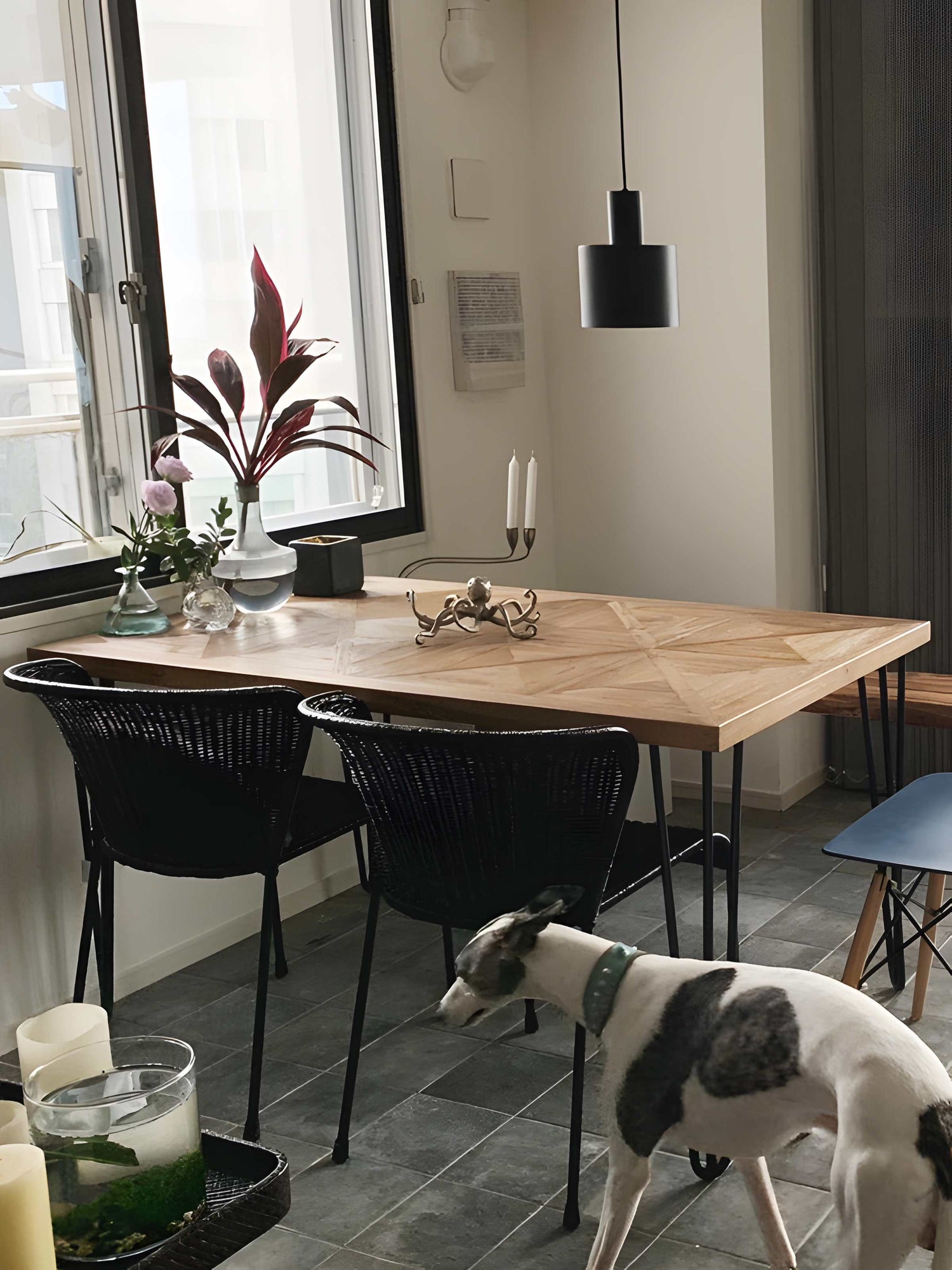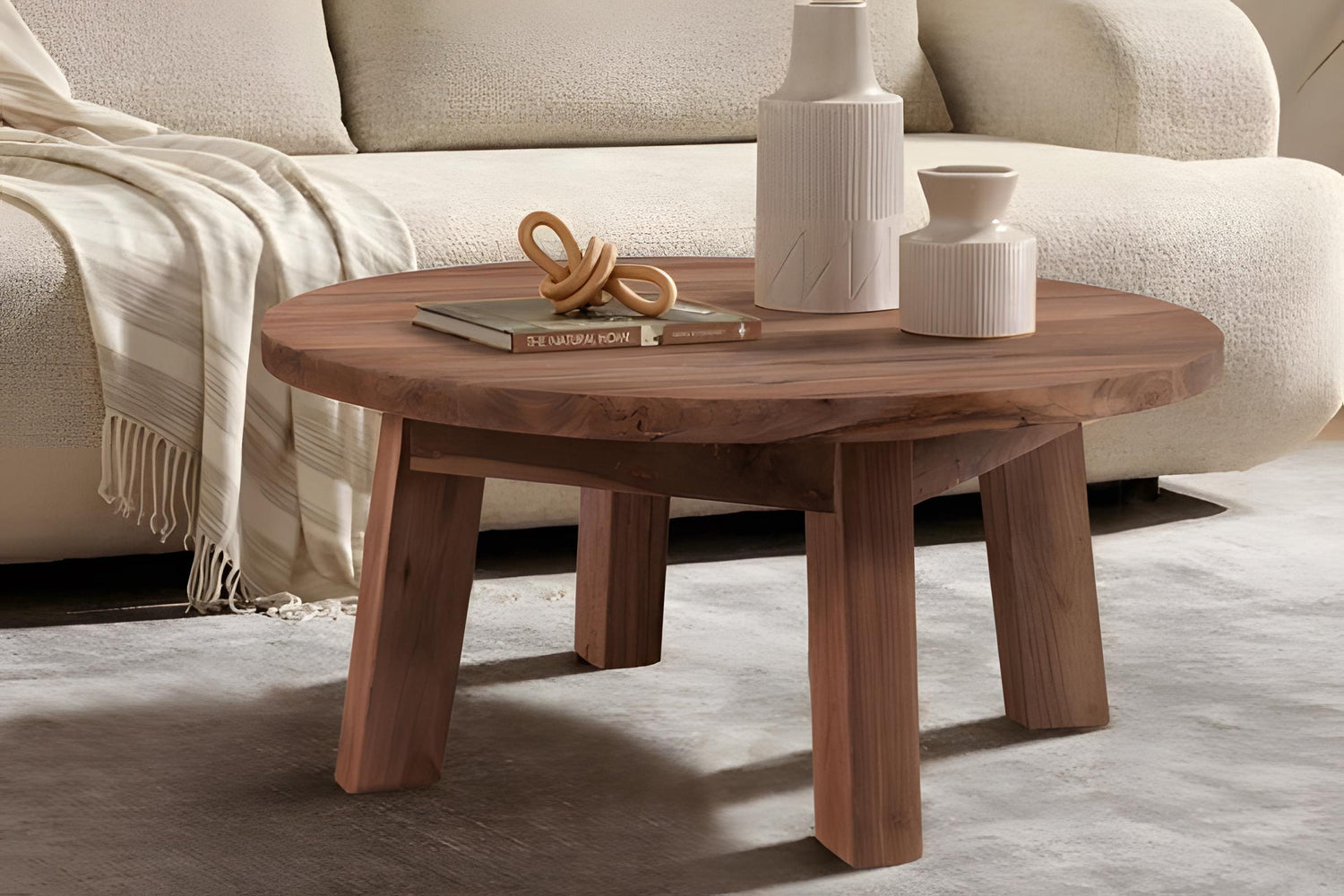
Reclaimed wood furniture has become increasingly popular for its unique character, sustainability, and timeless appeal. But before making a purchase, it’s important to understand both its advantages and potential limitations.
From durability and maintenance to style compatibility and long-term value, reclaimed wood offers more than just aesthetic charm. Whether you’re furnishing a dining room, living space, or bedroom, knowing what to expect can help you choose pieces that truly suit your home and lifestyle.
In this guide, we’ll explore the pros and cons of reclaimed wood furniture, along with key considerations to help you decide if it’s the right fit for your space.

1. What is Reclaimed Wood Furniture?
Reclaimed wood furniture is made from timber that has been salvaged from old buildings, barns, factories, and other structures, then repurposed into new furniture.
Because this wood often comes from old-growth trees, it is typically denser, stronger, and more stable than newly harvested timber. As a result, reclaimed wood furniture is not only sustainable but also highly durable and practical for everyday use.
Each piece carries its own history, with natural markings such as knots, grain variations, and subtle imperfections that give it a distinctive and authentic character.
2. Reclaimed Wood vs New Wood Furniture
When choosing between reclaimed and new wood furniture, it’s important to understand how they differ.
| Feature | Reclaimed Wood | New Wood |
|---|---|---|
| Durability | Extremely durable (old-growth timber) | Varies by wood type |
| Appearance | Unique, aged, full of character | Clean, uniform finish |
| Sustainability | Eco-friendly, recycled material | Requires new resources |
| Maintenance | Low maintenance | Moderate |
| Price | Mid to premium | Wide range |
Reclaimed wood offers character and sustainability, while new wood provides consistency and flexibility in design.
3. Benefits of Reclaimed Wood Furniture
Sustainable and Eco-Friendly
Reclaimed wood reduces the need for newly harvested timber, helping to preserve forests and minimise environmental impact.
Unique Character and Natural Texture
Each piece features distinctive grain patterns, markings, and patina that cannot be replicated by new wood.
Exceptional Durability
Reclaimed wood is typically sourced from old-growth timber, making it naturally strong and long-lasting.
Timeless and Versatile Style
It works across a range of interiors, from rustic and industrial to modern organic and minimalist spaces.

4. Potential Drawbacks of Reclaimed Wood Furniture
While reclaimed wood furniture offers many advantages, there are a few considerations to keep in mind:
- Higher upfront cost compared to mass-produced furniture
- Natural imperfections may not suit those who prefer a flawless finish
- Limited availability depending on the type and source of reclaimed timber
For many buyers, these are part of the material’s charm rather than disadvantages.
5. How Durable is Reclaimed Wood Furniture?
One of the key reasons buyers choose reclaimed wood furniture is its proven durability over time.
Unlike newly harvested timber, reclaimed wood has already undergone years, often decades of natural expansion and contraction. This means it has stabilised, making it less likely to warp, crack, or shift in changing indoor conditions.
Why reclaimed wood is highly durable:
- Sourced from old-growth trees with dense grain structure
- Naturally seasoned through long-term environmental exposure
- Carefully restored and treated before being crafted into furniture
What this means for your home:
- Dining tables that withstand daily use
- Furniture that retains its structure over time
- Greater stability compared to newer wood
Reclaimed wood furniture is widely regarded as a reliable, long-lasting choice for everyday living.

6. Is Reclaimed Wood Furniture Expensive or Cheaper?
Reclaimed wood furniture is not typically cheaper than new furniture. Due to the labour-intensive process of sourcing, restoring, and crafting reclaimed timber, it is often positioned in the mid to premium price range.
However, many buyers consider it better value in the long run thanks to its durability, unique character, and sustainability.
Why reclaimed wood furniture can be more expensive:
- Labour-intensive sourcing and restoration
- Skilled craftsmanship
- Limited supply of quality reclaimed timber
Why many consider it worth the investment:
- Longer lifespan
- Unique, one-of-a-kind design
- Sustainable material sourcing
Rather than a short-term purchase, reclaimed wood furniture is best viewed as a lasting investment in both quality and style.
7. So, Is Reclaimed Wood Furniture Worth It?
Reclaimed wood furniture is worth considering if you value durability, sustainability, and individuality in design.
Best suited for:
- Homes that embrace natural materials and textures
- Buyers looking for long-lasting, high-quality furniture
- Interiors that favour warmth, character, and authenticity
Less suitable for:
- Those who prefer perfectly uniform finishes
- Ultra-modern interiors with sleek, polished surfaces
- Buyers seeking the lowest-cost options
Final verdict:
If you’re looking for furniture that combines timeless style, durability, and sustainability, reclaimed wood is a strong and worthwhile investment.
8. Conclusion: A Sustainable and Timeless Choice
Reclaimed wood furniture offers a compelling combination of sustainability, durability, and timeless design. Its unique character, long lifespan, and eco-friendly origins make it an excellent choice for those looking to invest in furniture that stands out and stands the test of time.
If you’re looking to bring warmth, texture, and authenticity into your home, explore the reclaimed wood furniture collection at Mellowdays and discover pieces that are both meaningful and enduring.