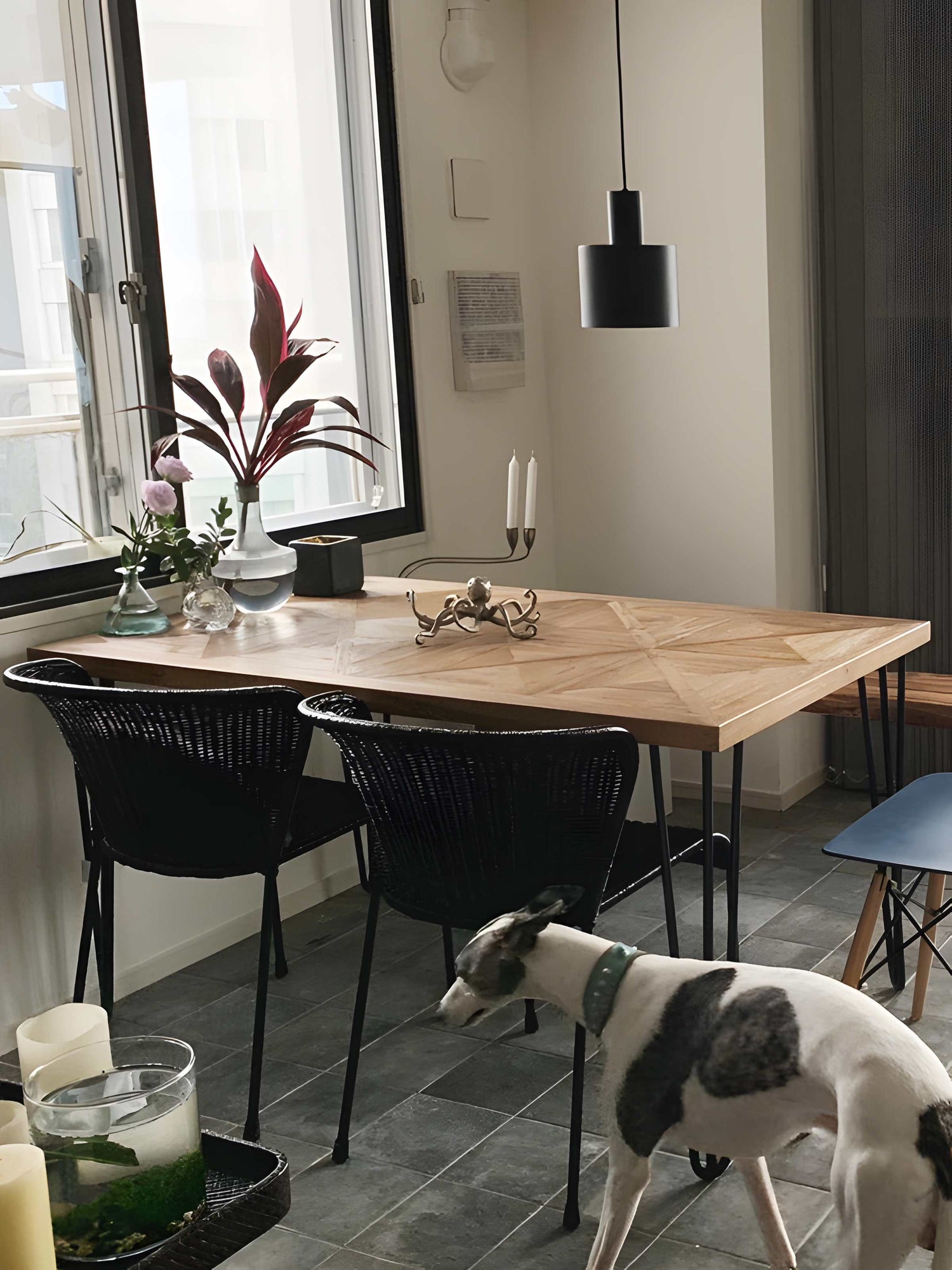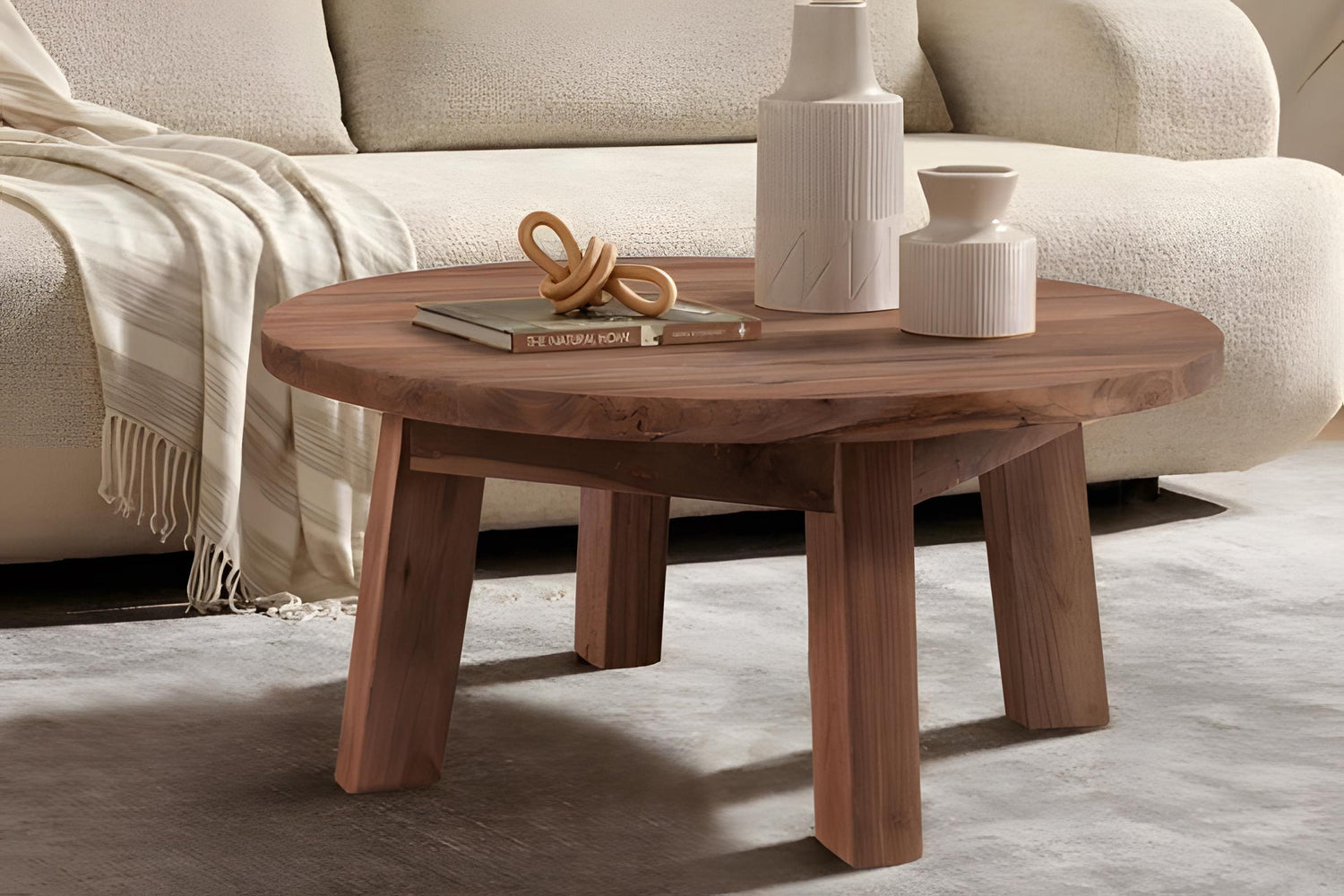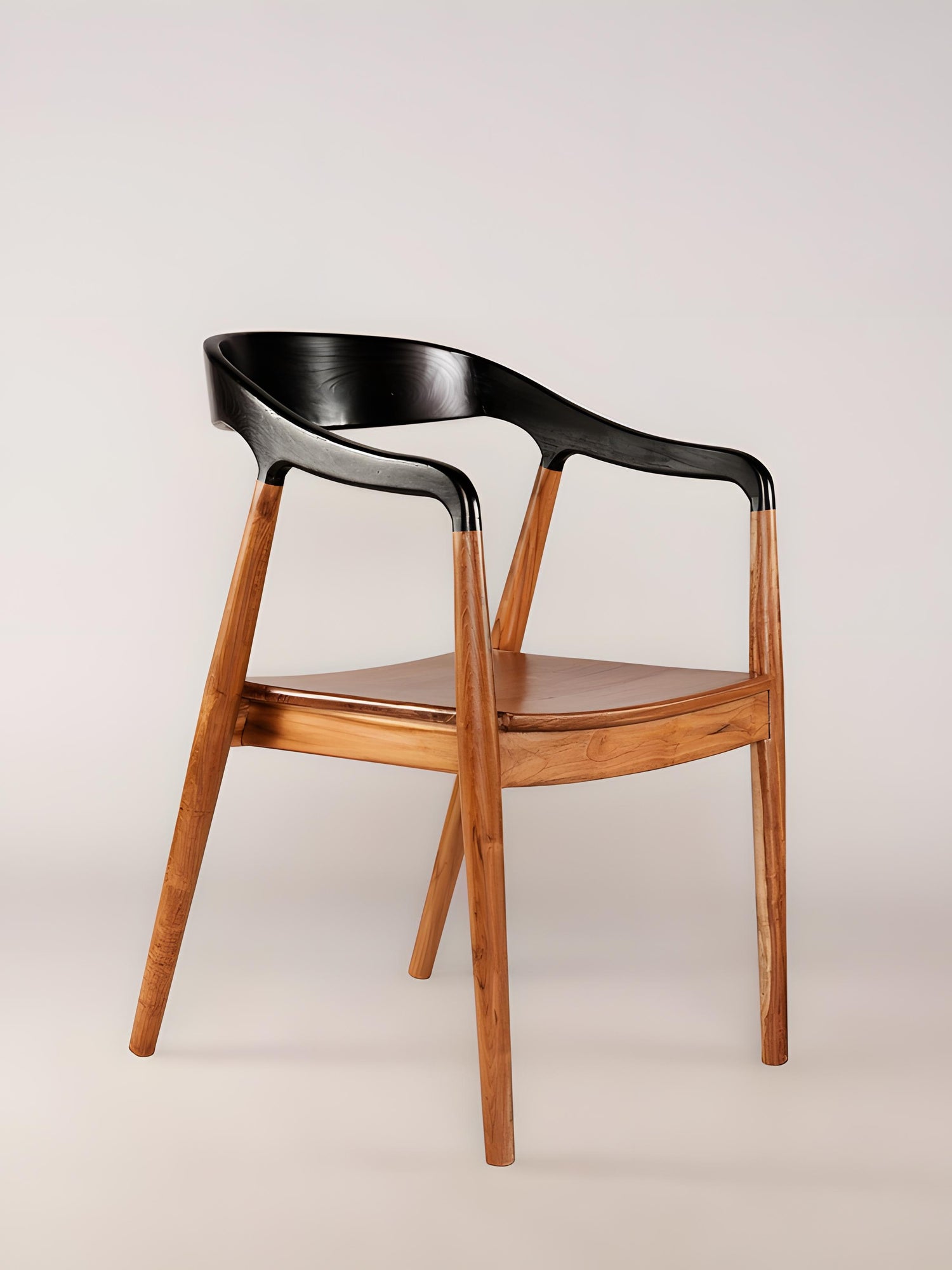


When choosing indoor furniture, the type of wood you select plays a key role in durability, appearance and long-term value. Teak and oak are two of the most popular hardwoods, each with distinct characteristics that suit different homes and lifestyles.
In this guide, we compare teak and oak across durability, appearance, maintenance and cost, helping you decide which is the better choice for your indoor space.
Here’s a quick comparison to help you understand the main differences before we explore each wood in more detail.
Key Differences Between Teak and Oak
- Durability: Teak is highly resistant to moisture, warping and wear, while oak is strong but less resistant to humidity
- Maintenance: Teak requires minimal upkeep, whereas oak needs regular care to protect its surface
- Appearance: Teak has a warm, rich tone that deepens over time, while oak is lighter with a more visible grain
- Price: Teak is more expensive due to its quality and longevity, while oak is more budget-friendly
- Best for: Teak suits high-use indoor areas and long-term investment, while oak works well for traditional interiors
What Are Teak and Oak?
Teak (Tectona grandis) is a tropical hardwood native to Southeast Asia, particularly Indonesia and India. Known for its rich golden-brown hue and natural oil content, teak is highly resistant to moisture, termites, and other environmental factors. This makes it a favourite for both indoor and outdoor furniture.
Oak, widely found in the UK, Europe, and North America, is a classic hardwood with a light to medium brown tone. Its straight, open grain and high density make it one of the most popular woods for indoor furniture, giving it a traditional, timeless appeal. Oak is commonly divided into two categories: red oak and white oak. White oak is more durable and moisture-resistant, making it more popular for furniture.

Durability and Strength
When investing in furniture, durability is often a top consideration. Both teak and oak are sturdy, but each has its own strengths in terms of resilience.
Teak is known for its exceptional durability due to its high oil content, which acts as a natural barrier against moisture and pests. This oil gives teak its long-lasting quality, making it highly resistant to cracking, warping, and rot. Teak’s durability means that even in environments with fluctuating humidity, it can retain its structure and integrity for decades.
Oak is also a highly durable wood, known for its hardness and strength. It can withstand daily wear and tear, making it a practical choice for frequently used indoor furniture like dining tables and cabinets. However, oak is less moisture-resistant than teak and may need extra protection from high humidity. When properly finished and maintained, oak can last for many years, but it may be more prone to minor cracking and shrinking over time compared to teak.
Colour and Appearance
For many buyers, the visual appeal of the wood is as important as its durability. Teak and oak each offer distinct aesthetic qualities that suit various interior design styles.
Teak’s Warm, Rich Tone
Teak has a naturally warm, golden-brown colour that deepens over time to a beautiful patina. Its tight, straight grain adds an elegant texture to furniture, giving it a classic, sophisticated appearance. Teak’s rich tones and smooth finish make it an ideal choice for both modern and traditional interiors, adding a touch of luxury to any room.

Oak’s Traditional, Classic Look
Oak, with its lighter hues ranging from pale brown to honey-coloured, has a timeless, traditional look that fits well in classic and rustic interiors. Oak’s open grain texture gives it a more visible, rugged character, making it a popular choice for farmhouse or vintage-style furniture. Over time, oak may develop a slightly yellowish tint if exposed to sunlight, adding a natural warmth to the wood.

Maintenance and Care
When it comes to maintaining teak and oak furniture, each wood type has specific needs to ensure it retains its appearance and quality over the years.
Teak is relatively low-maintenance compared to other woods. Thanks to its natural oil content, it does not require frequent polishing or refinishing, and it can retain its beautiful colour for years with only occasional cleaning. If you prefer a darker patina, teak will naturally darken over time; however, you can apply teak oil periodically if you want to preserve its original golden hue.

Oak requires a bit more care to protect it from moisture and surface damage. Regular polishing and the application of wood oil can help maintain its natural beauty. Oak furniture may need periodic refinishing to protect it from staining, particularly on high-use surfaces like dining tables. For indoor oak furniture, using coasters, placemats, and tablecloths can help prevent moisture rings and scratches.
Price and Long-term Value
Teak is generally more expensive than oak because it grows more slowly, is harder to source and offers greater durability. Its higher upfront cost reflects its long lifespan and lower maintenance needs.
Oak is more affordable and widely available, making it a popular choice for those working within a budget. However, it may require more maintenance and may not last as long as teak under the same conditions.
When viewed over time, teak often represents better value due to its longevity and ease of care.
Sustainability and Environmental Impact
Both teak and oak can be sustainable choices when sourced responsibly.
Due to its popularity, the demand for teak has led to concerns about deforestation. However, sustainably sourced teak—especially that which is certified by organisations like the Forest Stewardship Council (FSC)—comes from responsibly managed plantations. Additionally, Indonesia has implemented the SVLK certification (Sistem Verifikasi Legalitas Kayu) to assure consumers that teak is harvested legally and sustainably. Together, these certifications confirm that responsibly sourced teak supports ethical forestry practices.
Oak is widely grown in managed forests across Europe and North America, making it relatively abundant and accessible. However, as oak trees grow slowly, deforestation remains a concern if not managed properly. Opting for FSC-certified oak or furniture made from reclaimed oak can ensure that your purchase aligns with sustainable practices.
Common FAQs for Choosing Between Teak and Oak
1. Which wood is better for high-traffic areas like the living room?
- Teak is better suited for high-traffic areas due to its superior resistance to scratches, dents, and wear. Its natural oils protect it from everyday stress, making it ideal for coffee tables, armchairs, and other frequently used furniture pieces.

2. Is teak or oak more affordable for indoor furniture?
- Oak tends to be more affordable than teak, as it is more widely available and grows in temperate regions. Teak’s price reflects its durability and moisture-resistant properties, which can make it a more premium choice. However, investing in teak can offer long-term value due to its durability and low maintenance requirements.
3. Which wood is better for humid environments?
- Teak is the better option for humid environments due to its natural moisture resistance. This makes it ideal for homes with varying humidity levels, such as those near coastal areas or in rooms with high humidity, like kitchens.
4. How do teak and oak compare in terms of colour over time?
- Teak develops a beautiful, darker patina over time, especially when exposed to natural light, giving it a classic, aged look. Oak, on the other hand, may acquire a slightly yellowish tint, which adds a warm character but retains its lighter tone.
Teak vs Oak: Full Comparison
| Feature | Teak | Oak |
| Origin | Southeast Asia, primarily Indonesia | Europe, North America |
| Colour | Golden-brown, deepens to dark patina | Light to medium brown, may yellow over time |
| Grain Pattern | Tight, straight grain, smooth texture | Open grain, more visible texture |
| Durability | Extremely durable, high resistance to moisture, rot, and termites | Highly durable, but less resistant to moisture than teak |
| Maintenance | Low maintenance, retains quality over time | Requires regular care to protect from moisture and stains |
| Weight | Heavier, denser wood | Lighter, but still very strong |
| Common Uses | Indoor and outdoor furniture, high-traffic areas | Indoor furniture, traditional and rustic styles |
| Price | Generally more expensive due to premium qualities | More affordable, widely available |
| Sustainability | FSC-certified and SVLK-certified for legal and sustainable sourcing | FSC-certified, widely available from managed forests |
| Interior Style | Modern, contemporary, luxurious, minimalist | Traditional, rustic, farmhouse, classic |
Teak or Oak: Which Wood Should You Choose for Indoor Furniture?
- Choose teak if you want long-lasting indoor furniture that requires minimal maintenance and develops a richer appearance over time
- Choose oak if you prefer a lighter, more traditional look and a lower upfront cost
Ultimately, the choice between teak and oak comes down to personal style, budget, and maintenance preference. For a wide selection of high-quality Indonesian teak furniture in the UK, take a look at Mellowdays Furniture and discover indoor teakwood furniture that offer style, durability, and timeless elegance for your home.
Related post: